Case File 07: The Man in the Creek
Captain Thunderbolt and the death at Kentucky Creek, Uralla, 1870.
Case File 07, Volume 2: the real file
This page is for readers of Outback Case Files, Volume 2: Bushrangers and Gold. It describes real crimes of the bushranging years, factually and without gore. If you have come here from a puzzle, finish your accusation first: this page gives the game away.
Campfire Quests acknowledges the Traditional Owners of the lands on which these stories took place. We pay our respects to Elders past and present, and to all Aboriginal and Torres Strait Islander people. Aboriginal and Torres Strait Islander readers are advised that this page may contain the names, images and stories of people who have died.
Captain Thunderbolt and the death at Kentucky Creek, New South Wales, 1870 (Frederick Ward)
In the book this case appears as “The Man in the Creek”. The names of people and most places were changed to make the puzzle work. Below is what really happened.
Frederick Wordsworth Ward, "Captain Thunderbolt", escaped Cockatoo Island in September 1863 and for six and a half years robbed coaches, inns and travellers across New England and the north-west of New South Wales, largely without bloodshed. His partner Mary Ann Bugg, a Worimi woman, scouted and kept camp for him until 1867; her vagrancy sentence at Stroud in 1866 was overturned after questions in Parliament. She died at Mudgee in 1905.
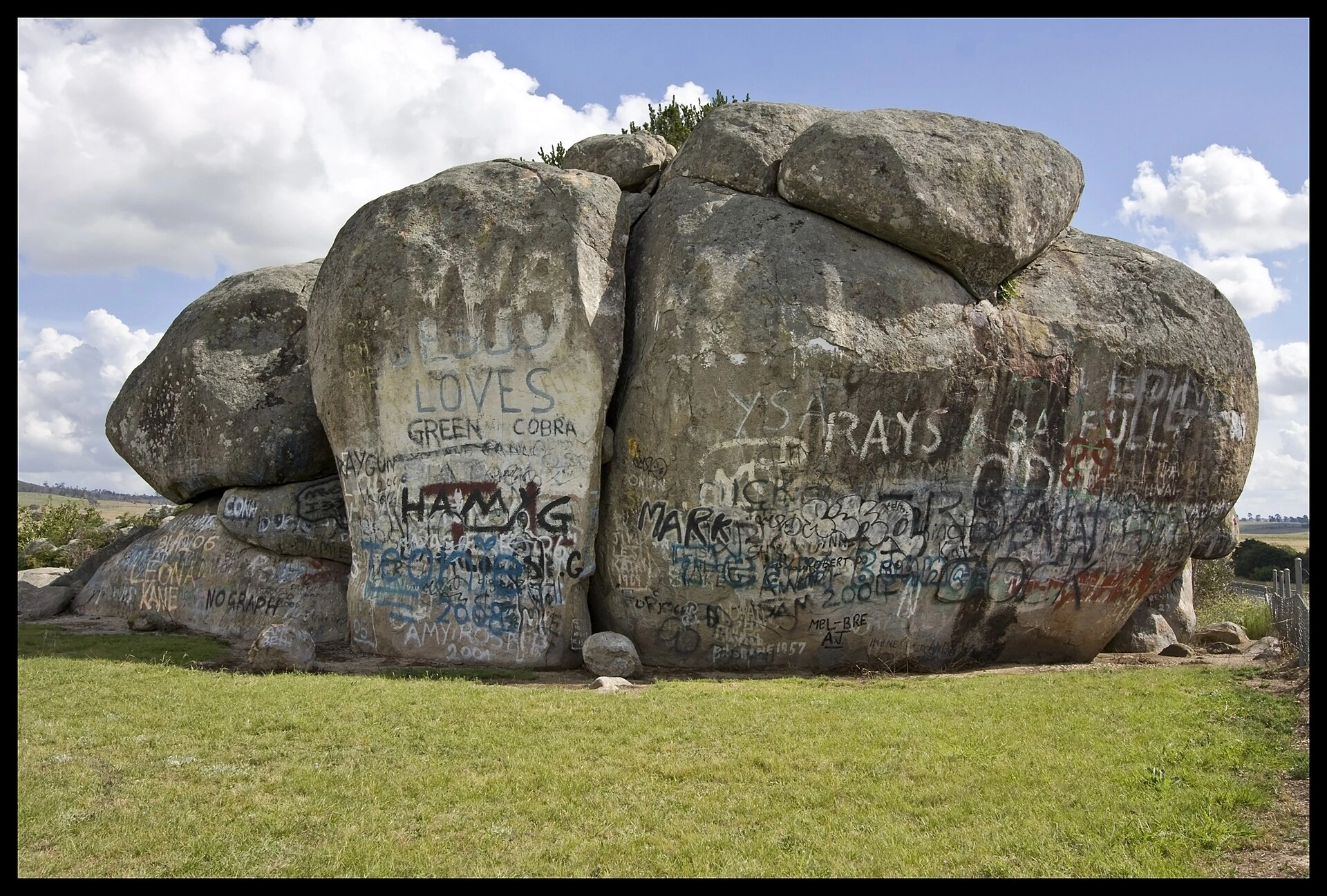
On 25 May 1870, after robbing travellers at the Big Rock near Uralla, Ward was chased into Kentucky Creek by Constable Alexander Binney Walker and shot dead. A magisterial inquiry identified the body by his recorded height, hair and eye colour, moles, an old gunshot scar behind the knee, and the evidence of three witnesses who knew him. He is buried at Uralla. Claims that another man died in the creek persist in folklore but have no evidentiary support.
How it was really cracked
The real outlaw was Frederick Ward, "Captain Thunderbolt", who escaped Cockatoo Island with Frederick Britten in September 1863 and robbed the roads of New England and the north-west for six and a half years, the longest run of any New South Wales bushranger, mostly without violence. Mary Ann Bugg, daughter of a convict and a Worimi woman, rode with him for most of those years, scouting towns and keeping camp; her 1866 vagrancy conviction was quashed after it was raised in Parliament. She left him in 1867 and lived until 1905.
On 25 May 1870 Ward robbed travellers at the Big Rock near Uralla, drank at Blanch's inn, and was chased into Kentucky Creek by Constable Alexander Binney Walker, who shot him when he refused to surrender. A magisterial inquiry identified the body by height, colouring, moles, an old gunshot scar behind the knee, and three witnesses. The claim that another man died has been raised ever since, as recently as a motion in the Legislative Council in 2010, and has never been supported by evidence.
Read more
These are public sources we used. They open in a new tab and carry more detail than this page, including the places where the old records disagree with each other.
A word about respect
These were real people, and in most of these districts their descendants are still here: police families, bush families, and the Aboriginal communities whose trackers did so much of the finding. We have kept to the public record and left out the gore on purpose. If you share this page, please share it the way you would want your own family talked about.
Banner photo: Thunderbolts Rock, near Uralla, by Sheba_Also 43,000 photos (CC BY-SA 2.0), via Wikimedia Commons.